Minor Arcana Meanings: All 56 Cards
Find a card by suit, then use its scene to ask a more specific question. The Minor Arcana explore everyday experiences: beginning something, connecting with people, handling a disagreement or taking care of practical work.
Practise and compare
Study five cards from the full 78-card collection, or compare similar cards using the same situation.
New to the Minor Arcana?
Each of the four suits contains Ace through Ten, then Page, Knight, Queen and King. Start with one card and one ordinary question. Notice who is present, what they are doing and how the objects are arranged before looking up a meaning.
For a first comparison, read Ace of Wands, Two of Wands and Three of Wands. Compare a spark of interest, choosing a direction and responding after a first effort. These are reading prompts, not a required sequence that every project follows.
For questions about connection, compare Ace of Cups, Two of Cups and Three of Cups: an emotional opening, a mutual exchange and shared friendship. Look for what each person actually communicates rather than treating a card as access to private thoughts.
All 56 articles include image observations, upright and reversed readings, practical examples and comparisons. Choose a suit below to explore how similar images lead to different questions.
Wands · Fire
Initiative, effort and how an undertaking develops.
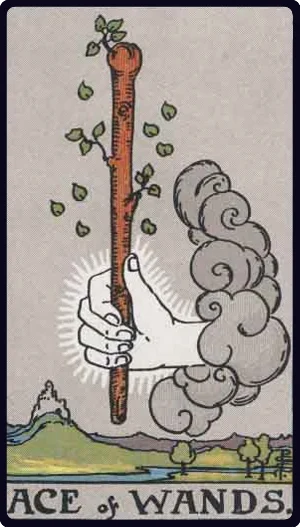 Ace of WandsA spark worth trying
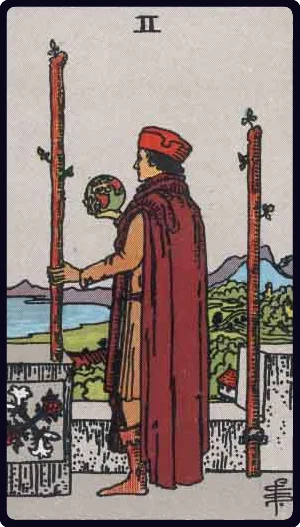 Two of WandsChoose a direction from where you stand
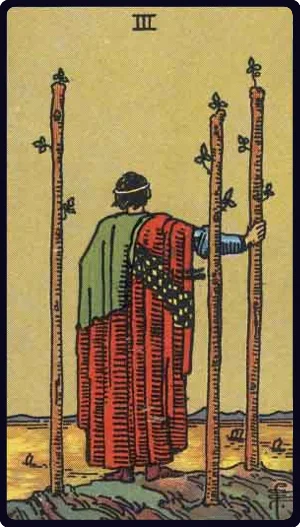 Three of WandsWatch how a first effort meets the wider world
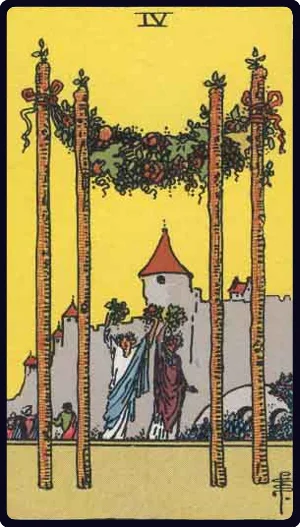 Four of WandsMake room to share a milestone
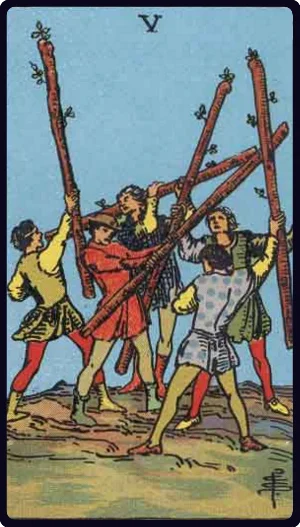 Five of WandsTurn competing energy into a useful exchange
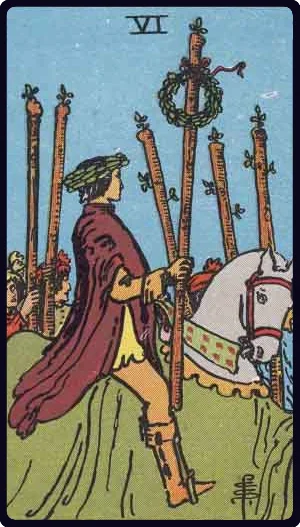 Six of WandsReceive recognition and share the credit
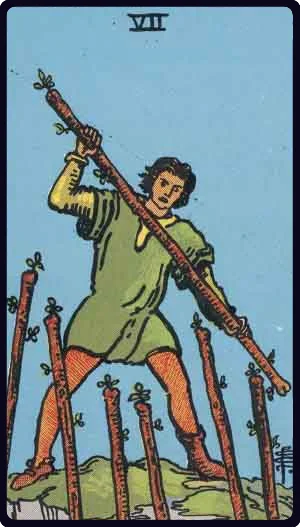 Seven of WandsDecide what is worth defending
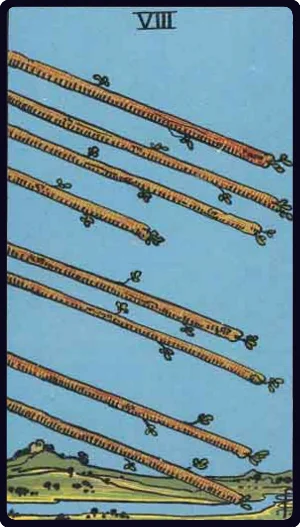 Eight of WandsKeep moving parts pointed in the same direction
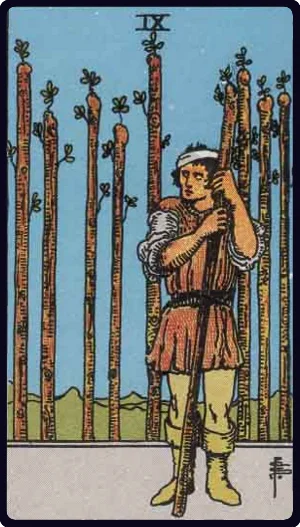 Nine of WandsProtect what remains of your energy
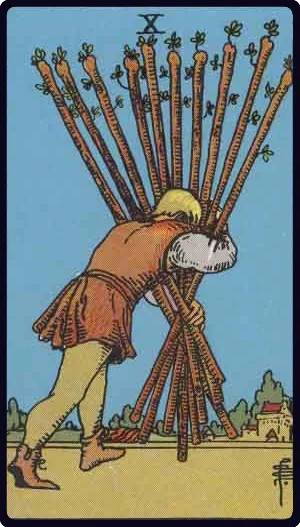 Ten of WandsChange how the load is carried
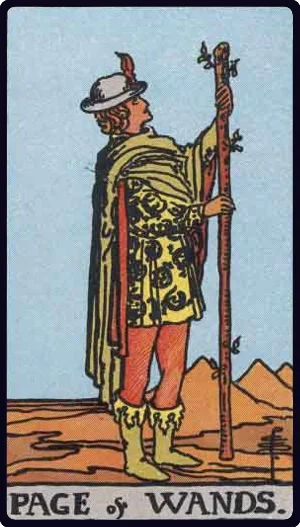 Page of WandsGive curiosity a first lesson
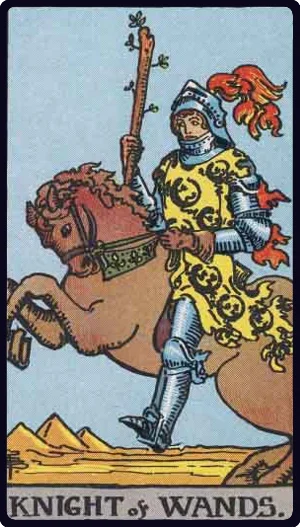 Knight of WandsGive bold action a direction and a stopping point
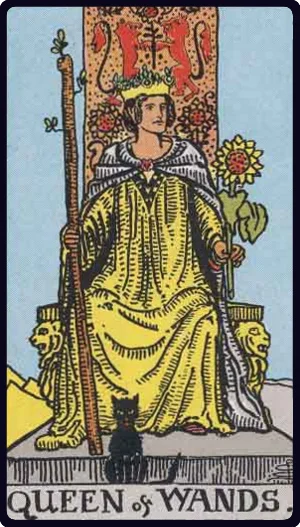 Queen of WandsBe visible in a way that makes room for others
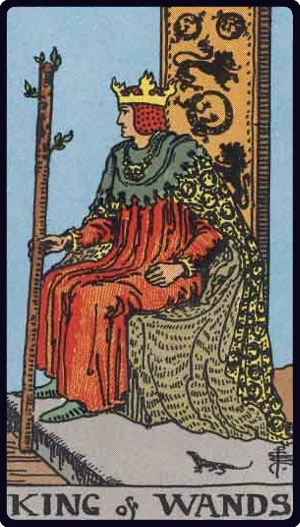 King of WandsTurn a clear vision into shared direction
Wands that are easy to confuse
- Two and Three: choosing or following up?
The Two considers a direction from an existing base. The Three looks at what happens after an effort reaches beyond it. Ask whether a first step has actually been taken.
- Five and Seven: coordination or a boundary?
The Five can describe several efforts colliding. The Seven focuses on one position under pressure. Agreeing on a group process and stating a personal limit are different responses.
- Nine and Ten: guardedness or workload?
The Nine considers the cost of staying ready after prior strain. The Ten makes the current bundle of responsibilities visible. Ask whether support, a clearer check or a smaller workload would address the difficulty.
Cups · Water
Feelings, relationships and the experience of connection.
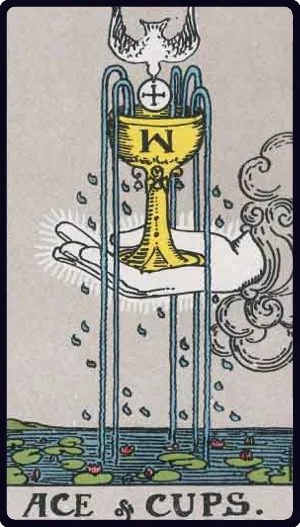 Ace of CupsMake room for a feeling to begin
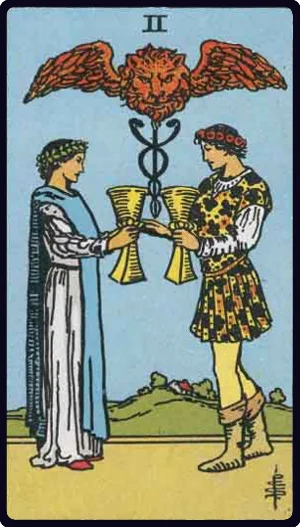 Two of CupsLook for an exchange both people can enter
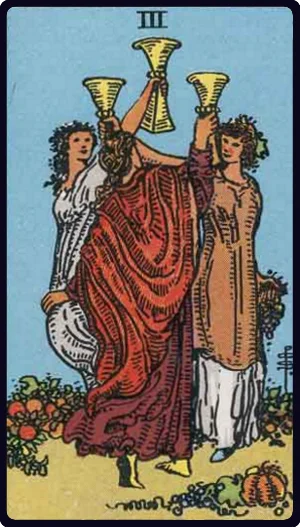 Three of CupsLet enjoyment and support be shared
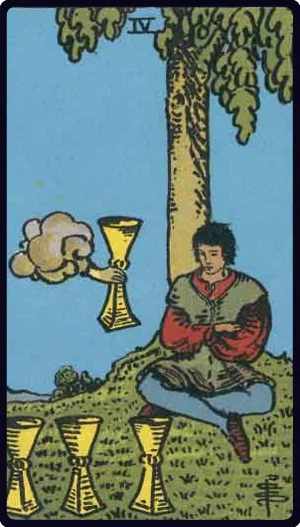 Four of CupsPause long enough to recognise what you want
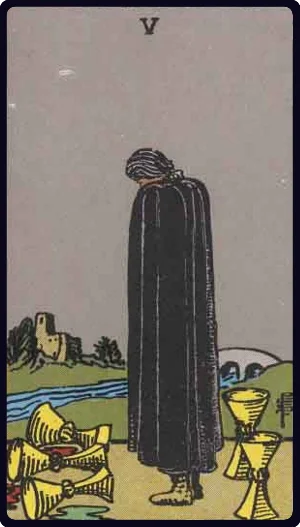 Five of CupsAcknowledge the disappointment before deciding what remains
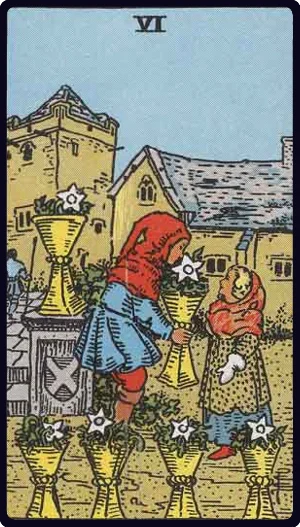 Six of CupsTake something useful from the past into the present
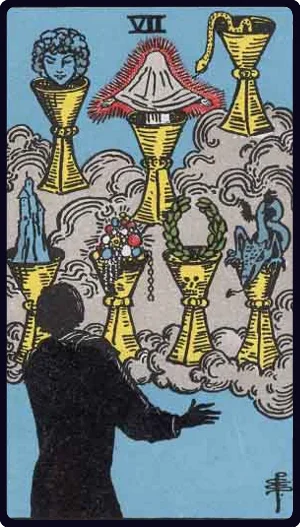 Seven of CupsSeparate an attractive possibility from an available choice
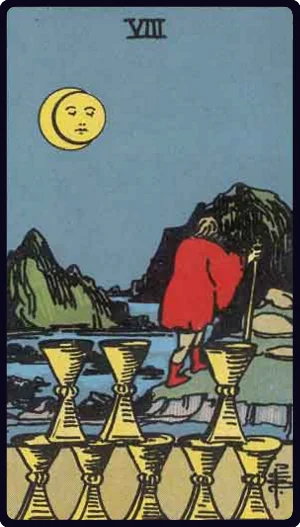 Eight of CupsConsider what no longer deserves the same commitment
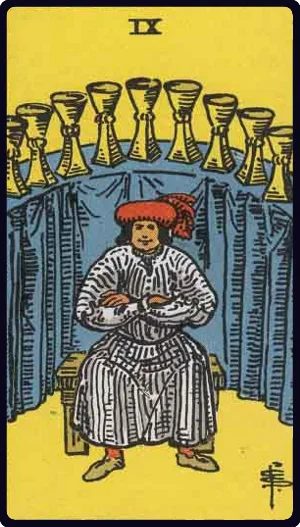 Nine of CupsNotice what satisfaction actually feels like
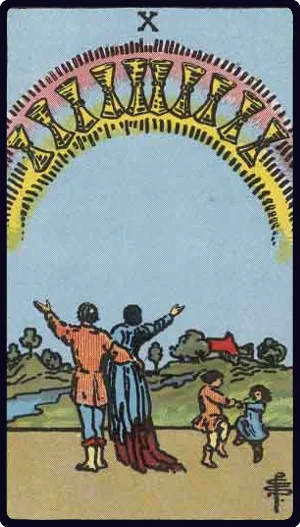 Ten of CupsBuild a version of belonging people can actually share
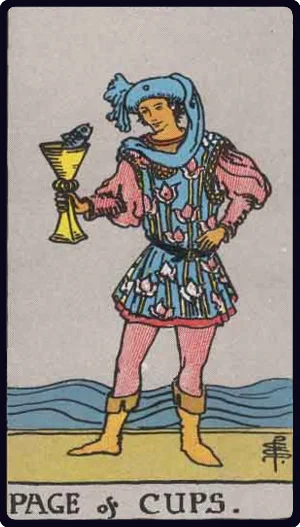 Page of CupsMeet a new feeling with curiosity
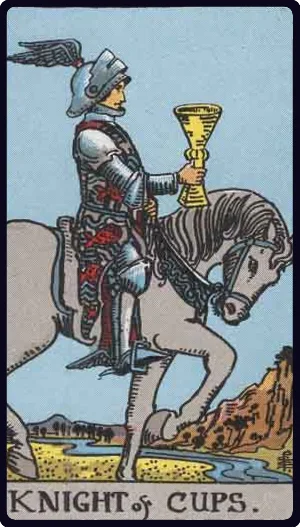 Knight of CupsTurn a feeling into a clear, considerate offer
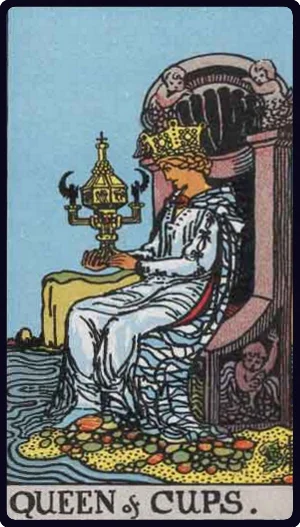 Queen of CupsListen closely while keeping your own perspective
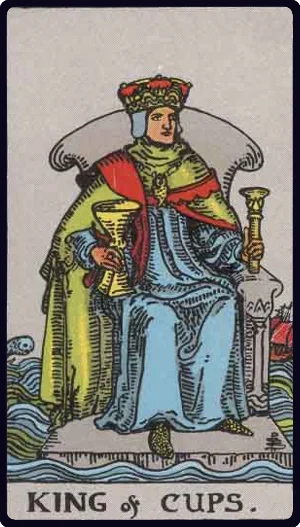 King of CupsRespond with steadiness when feelings run high
Cups that are easy to confuse
- Four and Eight: pause or change your involvement?
The Four remains beside the cups and asks what would make engagement worthwhile. The Eight considers moving away from something still present. Compare a pause, a practical adjustment and an ending before assuming any one response is required.
Read Four of Cups and Eight of Cups.
- Five and Six: disappointment or memory?
The Five gives a loss or disappointment room to be acknowledged. The Six considers what a past experience still means and what you want to carry forward. A valued memory and a present decision can both matter without being the same question.
Read Five of Cups and Six of Cups.
- Nine and Ten: personal satisfaction or shared belonging?
The Nine asks what feels satisfying to you. The Ten asks how several people can share an environment that feels fulfilling. A plan that suits one person needs discussion before it can represent everyone's preferences.
Read Nine of Cups and Ten of Cups.
Try a relationship question you can act on
Instead of asking a card to confirm a secret feeling, ask “What expectation would help to discuss?” With the Two of Cups, separate what has been agreed from what you have assumed. With the Queen of Cups, consider what you could ask and how you could listen. The next step is a real exchange in which the other person can answer freely.
Swords · Air
Thought, communication, decisions and conflict.
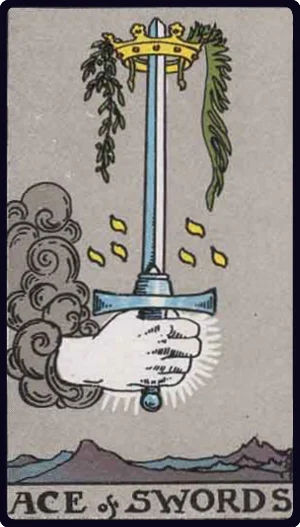 Ace of SwordsGive an idea a clear edge
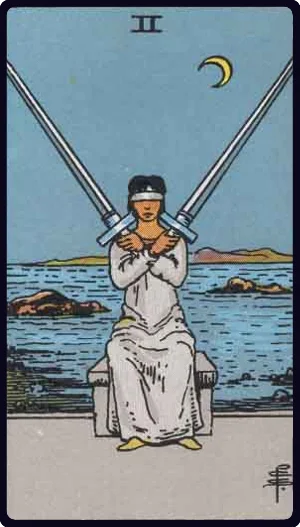 Two of SwordsMake room for a decision without forcing certainty
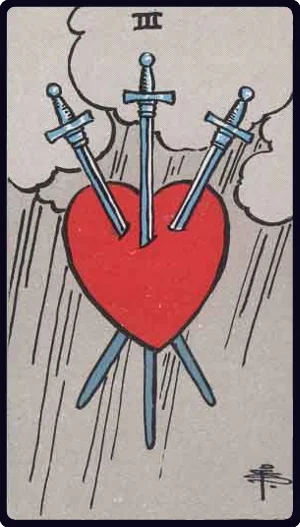 Three of SwordsAcknowledge hurt without inventing its cause
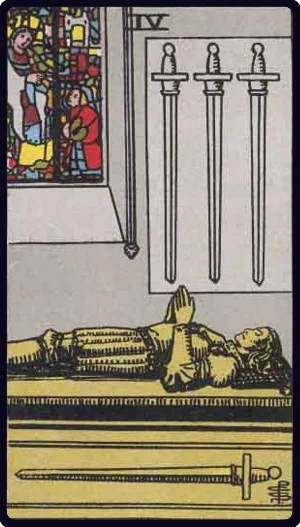 Four of SwordsGive a pause a practical purpose
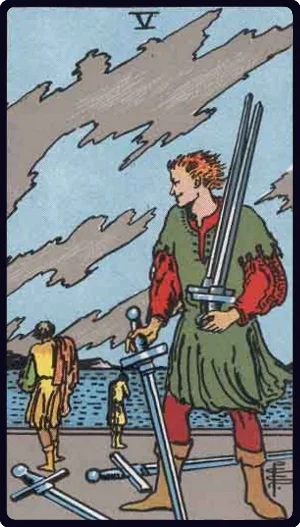 Five of SwordsExamine the cost of winning an argument
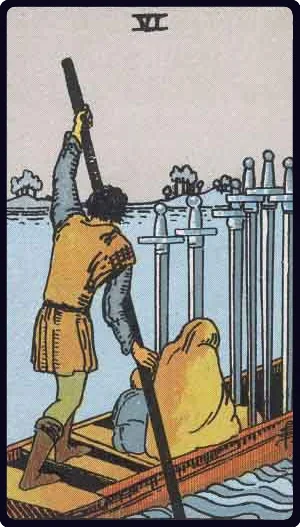 Six of SwordsMove with support while carrying what still matters
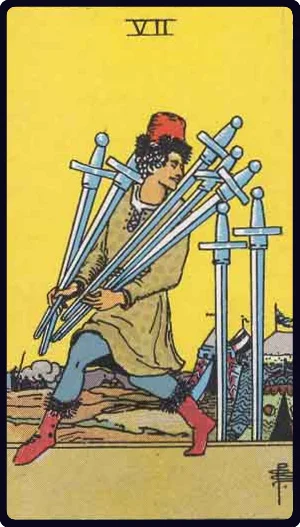 Seven of SwordsCheck the method as carefully as the goal
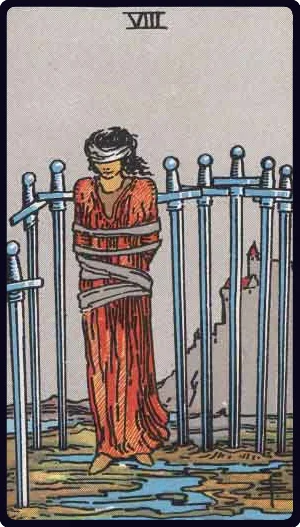 Eight of SwordsSeparate a real constraint from an untested assumption
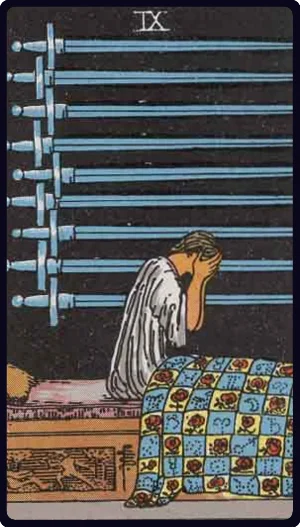 Nine of SwordsBring a troubling thought back to what can be checked
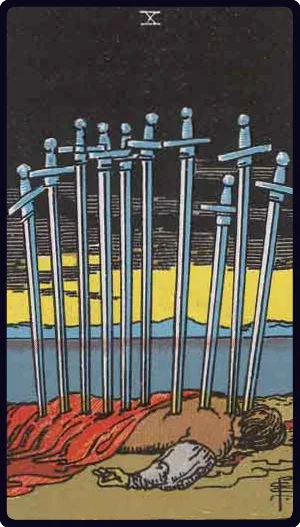 Ten of SwordsRecognise a limit and decide what needs to stop
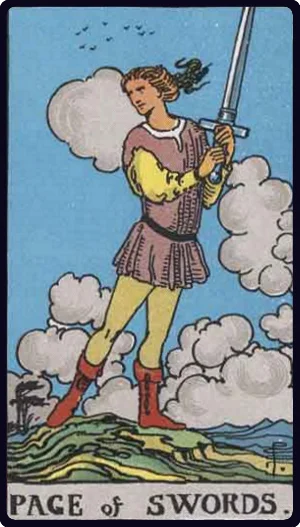 Page of SwordsAsk a better question before making a claim
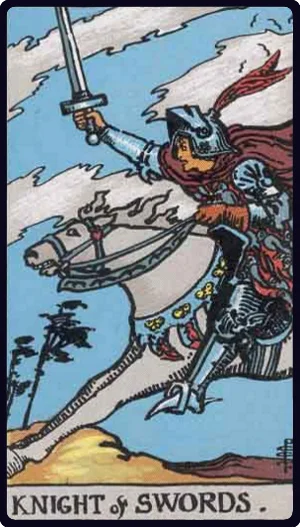 Knight of SwordsGive decisive action enough direction
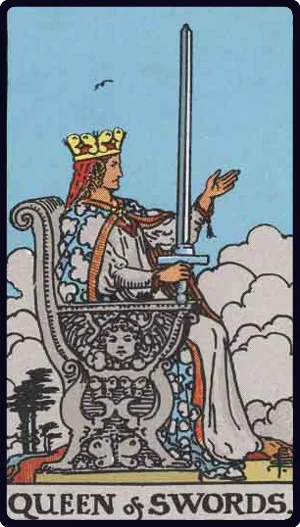 Queen of SwordsCombine clear boundaries with a willingness to listen
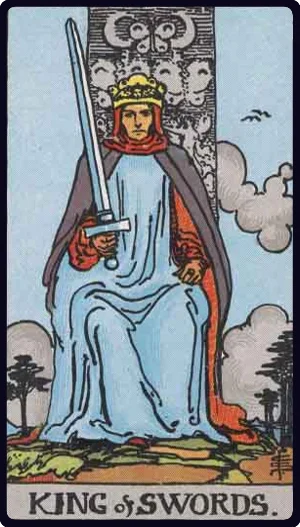 King of SwordsApply a reasoned standard consistently
Swords that are easy to confuse
Pentacles · Earth
Practical resources, learning and ongoing work.
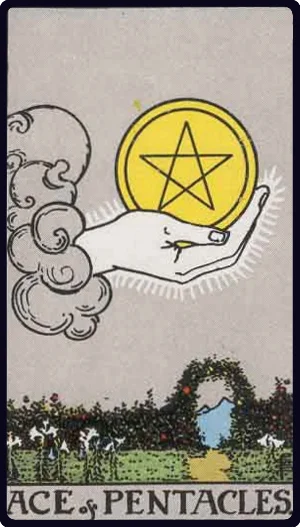 Ace of PentaclesGive a promising opportunity a practical first form
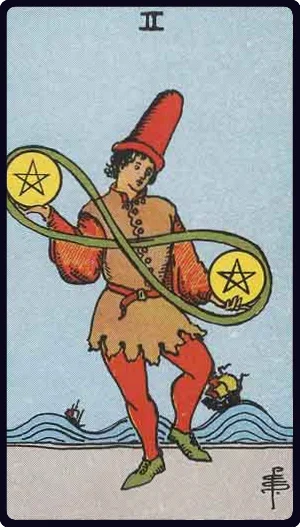 Two of PentaclesMake competing commitments visible
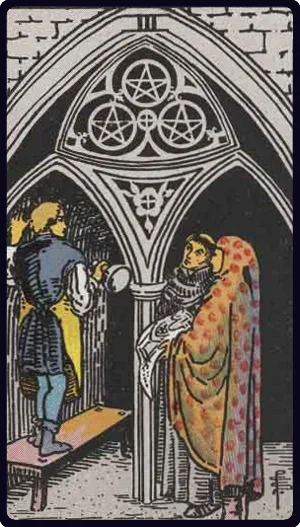 Three of PentaclesMake different skills work from the same plan
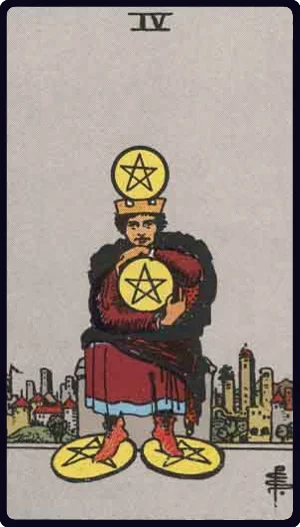 Four of PentaclesProtect resources without making them unusable
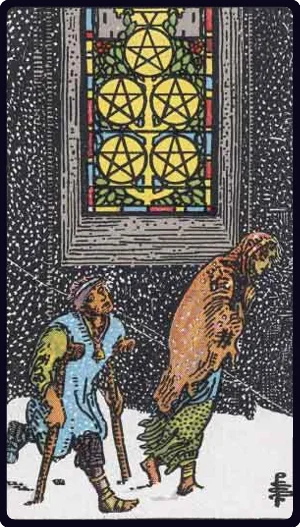 Five of PentaclesIdentify the practical barrier to support
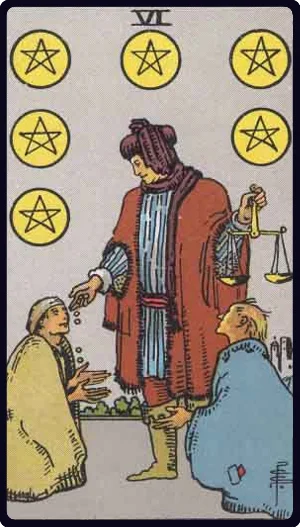 Six of PentaclesMake the terms of giving clear
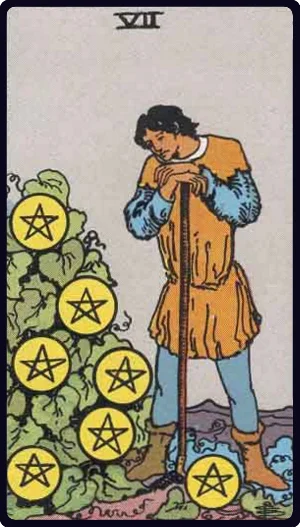 Seven of PentaclesReview progress before adding more effort
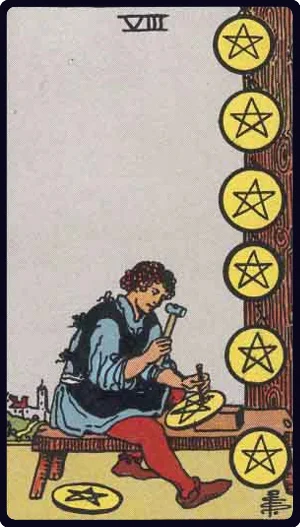 Eight of PentaclesPractise a specific skill with useful feedback
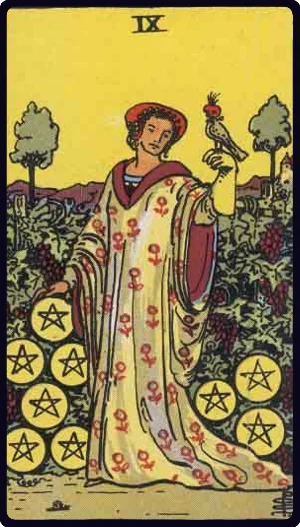 Nine of PentaclesEnjoy what your practical care makes possible
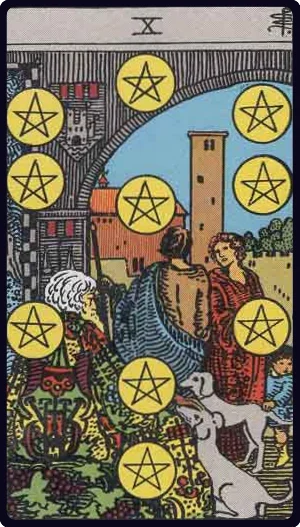 Ten of PentaclesPlan for continuity beyond one person
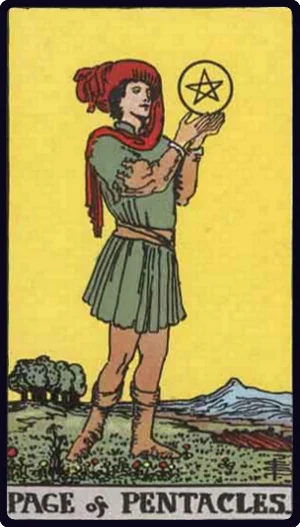 Page of PentaclesTurn interest into a manageable lesson
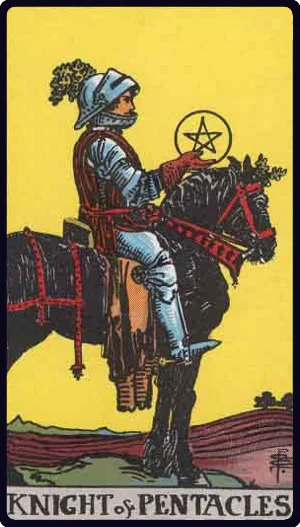 Knight of PentaclesMake the routine reliable and reviewable
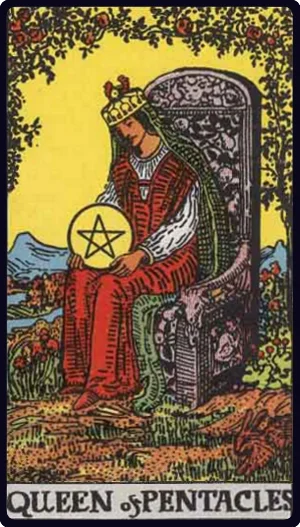 Queen of PentaclesMake practical care sustainable for the giver too
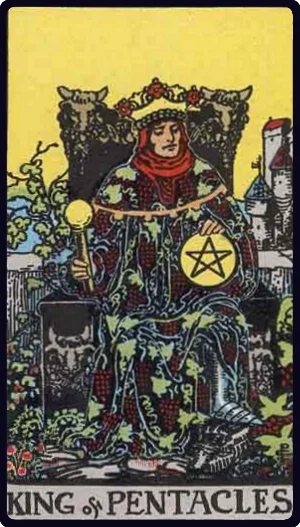 King of PentaclesSteward resources for a usable long-term result
Pentacles that are easy to confuse
A simple way to practise with any Minor card
- Name an ordinary question. Try “What needs attention in this group project?” rather than asking a card to establish what another person secretly thinks.
- Choose a position before interpreting. Situation asks what the scene might describe. Advice asks what response you could consider. Obstacle asks how the same theme might become unhelpful.
- Write one observation and one possible connection. On the Ten of Wands, the figure carries all the staffs together. That might prompt an inventory of tasks one person has gathered.
- Check the connection against your circumstances. If the real difficulty is not the workload, do not force it to fit. Another visible detail or a different question may be more useful.
- Choose one proportionate action. Discuss a specific handover, clarify a plan or try a small exercise. Afterwards, record what you learned from doing it.
Read reversals without turning every meaning into its opposite
A reversed card can prompt you to examine a blocked, excessive, private or changing expression of its theme. Choose the reading that fits the question and the actual circumstances. The reversed Five of Wands, for example, could lead you to ask whether a disagreement is settling or being avoided; the card alone cannot decide which is happening.
You can also practise with upright cards only. Decide your approach before drawing so that an uncomfortable image does not cause you to change the rules halfway through.
Court cards as approaches
For the Wands court, this guide uses Page for curious exploration, Knight for committed action, Queen for confident participation and King for responsible direction. These are editorial prompts, not fixed identities or a ladder of personal worth. One person may need several of these approaches during a single undertaking.
For Cups, the Page explores an emerging feeling, the Knight gives it a considered expression, the Queen listens closely and the King chooses a measured response when feelings and responsibilities meet. None of these approaches is restricted by gender or requires assigning a fixed personality to someone.
For Swords, compare the Page’s questions, the Knight’s decisive action, the Queen’s clear boundaries and the King’s consistent standards. For Pentacles, compare the Page’s first lesson, the Knight’s maintenance, the Queen’s practical care and the King’s stewardship. These approaches solve different problems; a higher title does not mean a better person.
Look at the individual scene before transferring a court role to another suit. A person's age, gender or intentions cannot be established from a card.
Frequently asked questions
Can the online tools draw these 56 cards?
No. Daily Draw, Three-Card Spread and Yes/No Oracle use the 22 Major Arcana. This directory provides the 56 Minor Arcana as reading references. You can practise with a physical deck or deliberately choose an image from the list.
Do the Minor Arcana continue the numbers 22 to 77?
No. The suits each have Ace through Ten and four named court ranks. This directory lists them by suit and rank, separately from the printed Major Arcana sequence.
Does a suit or number tell me when an event will happen?
This guide uses suits and ranks as interpretive prompts, not a calendar. Traditional correspondence systems vary, and a card cannot verify a date or countdown. Use real schedules and agreements for practical timing.
Continue exploring
All 78 card meanings · How to read two cards together · Elements in a reading
Historical image reference: The Pictorial Key to the Tarot, Part III. The practical exercises above are modern editorial interpretations. Read our approach or send a specific correction.